
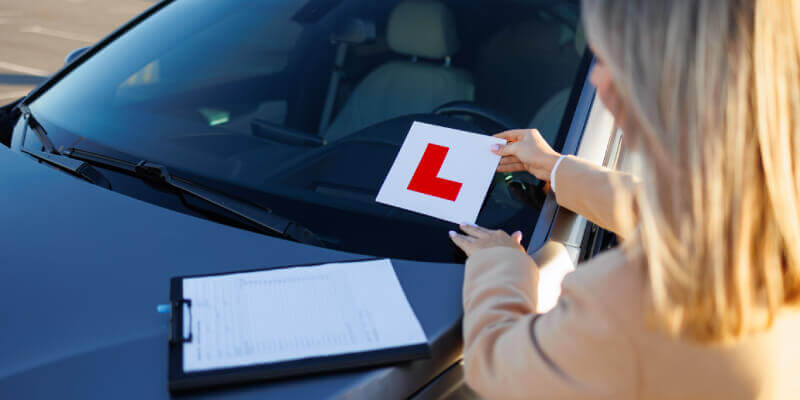
If you’re learning to drive, you might ask: how many driving lessons do I need? This is a common question, especially when you want to plan your time and budget and get ready for your driving test.
There isn’t a set number of lessons that works for everyone; some people learn quickly and feel confident after a few hours, while others need more time to get comfortable. Usually, your experience, how often you practice and how confident you feel in different situations will decide how many lessons you will need.
It usually depends on your experience, how often you practice, and how confident you feel in different situations.
Knowing this early on can help you set realistic goals and focus on progressing rather than aiming for a specific number of lessons.
How many driving lessons do I need as a beginner driver?
Figuring out how many lessons you will need is only one piece of the puzzle. Things like how often you practice and how long you will need to wait for a driving test all affect how quickly you learn. Everyone learns at a different pace, so it helps to know what factors could impact your progress.
To help you get a clearer idea of what to expect, the sections below break down the main things you should consider when planning your lessons and preparing for your driving test.
Here’s what we’ll cover in this guide:
- What affects how quickly you learn to drive?
- How many hours of driving lessons do I need?
- How many automatic driving lessons do I need?
- Choosing between weekly lessons and intensive courses
- Tips on how to pass your driving test quickly
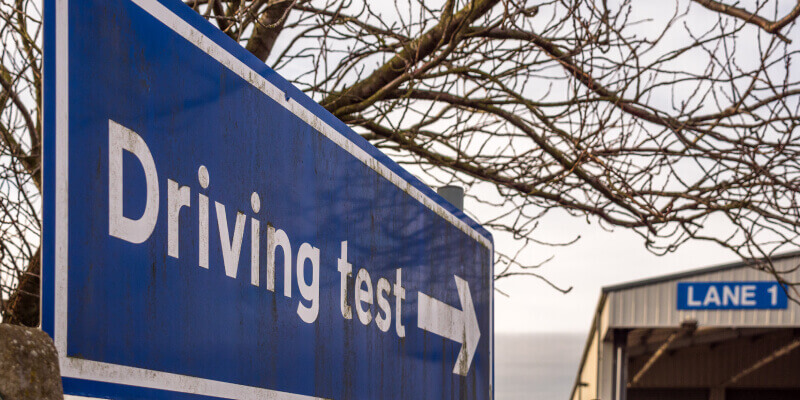
What affects how quickly you learn to drive?
How long it takes to learn to drive differs for everyone. Some people pick things up quickly, while others may need more time to feel confident. The waiting time for a driving test will also affect how long it takes; however, due to recent changes from the DVSA, learners should start to see improvements in this.
Here are some factors that can affect how quickly you learn:
- How often you practise: Regular lessons and extra supervised driving help skills develop more quickly.
- Previous experience: Any prior exposure to driving or road awareness can make learning easier.
- Type of transmission: Learning in an automatic or manual car can influence how quickly you pick up core skills.
- Starting the process early: Applying for your provisional licence as soon as you’re eligible helps you begin learning sooner.
- Theory test completion: Passing your theory test is required before you can book your practical driving test.
- Test readiness and booking timing: Being properly prepared before booking your practical test helps avoid delays and reduces the need for extra lessons.
Ultimately, how quickly you learn will depend on how much practice you get, how prepared you are and your timing. As long as you take consistent lessons and take each step one at a time, you should make steady progress.

How many hours of driving lessons do I need?
Most people learning to drive in the UK need about 45 hours of lessons with a professional instructor. The DVSA also suggests doing around 20 hours of private practice to help strengthen your skills and boost your confidence in different road situations. These numbers are national averages, so they’re helpful as a guide, but they aren’t strict rules for everyone.
There isn’t a set number of hours to pass your test; it varies for everyone, depending on how quickly you pick everything up and how often you practice. Some learners might reach test standard sooner if they do extra practice outside of lessons, whereas others might need a bit longer to build their confidence behind the wheel.
Learning to drive doesn’t always go to plan; some skills, such as roundabouts or parking, can take longer to master. What matters most is being consistent and practising different techniques while driving.
If you are a confident driver who makes safe decisions and can handle different road types without much help, you’re likely to be close to being ready for your driving test.

How many automatic driving lessons do I need?
Most people learning to drive, whether in a manual or automatic car, usually need about 40 to 45 hours of professional lessons. It's also helpful to get extra practice with someone you know. This matches the DVSA's general advice, and there are no special rules for automatic lessons.
Some learners may find they progress slightly faster in an automatic car because there is no need to learn clutch control or gear changes. As a result, some learners may need around 10–15 fewer hours in an automatic car, but this isn’t guaranteed, and overall learning time is often similar. You will still need the same level of practice to develop core driving skills such as hazard awareness, positioning, decision-making, and confidence in different traffic conditions.
When you take driving lessons in Northampton with our school, your learning will be structured to cover all aspects, whether you are learning manual or automatic.
Choosing between weekly lessons and intensive courses
How you set up your driving lessons can really affect how quickly you pass your test— most learners choose between weekly lessons and an intensive course. Both can work well, depending on your experience, confidence, and how soon you want to be ready for your test. There’s no single right way, so it’s important to find what works best for your learning style.
- Weekly lessons are great for beginners who want time to take in new information between sessions and build their skills step by step.
- Intensive courses are best for learners who want to make fast progress in a short time and can commit to a busy schedule.
- With weekly lessons, you have time to think about what you’ve learned and practise. Intensive courses help you build skills quickly by repeatedly practising them.
- Some learners feel more relaxed with weekly lessons, while others prefer the steady focus of an intensive course.
- Intensive courses often depend on when instructors are available, so you might need to book in advance.
Weekly lessons usually suit people who are new to driving or who like to take things at a steady pace. They give you time to practise between lessons and build your confidence without feeling rushed.
An intensive course can work well if you already have some experience or want to get ready for your test quickly. It can help you pick up skills faster when you practise regularly and get clear guidance.

Tips on how to pass your driving test quickly
If you want to pass your driving test quickly, the best way is to regularly practice and work on building good habits. As long as you make small improvements each time, you should progress at a good speed.
- Be consistent with lessons: Regular driving practice helps reinforce skills and prevents you from forgetting key techniques that you have learned.
- Practise outside of lessons: Supervised practice can help build confidence and improve control in different situations.
- Focus on weak areas: Spend extra time on manoeuvres or situations you find more challenging, rather than avoiding them.
- Use proper observation: Ensure you consistently conduct effective 360-degree observations in all relevant situations.
- Stay calm under pressure: Learning to manage nerves can improve performance during your test.
- Follow instructor feedback: Acting on advice quickly helps you correct mistakes and progress faster.
At our driving school in Northampton, we design lessons to help you build confidence step by step. We focus on the skills you need to pass, like being aware of your surroundings, controlling the car smoothly, and making safe decisions in every situation.
In the end, passing your test quickly is about being prepared, practising regularly, and believing that you can do it; if you stick with your lessons and keep persevering, you’ll be ready for your test sooner and become a safe, confident driver.
So, how many driving lessons do you actually need?
Everyone’s journey to learning to drive will be different. It takes time and consistency. It’s best to avoid worrying about averages and focus on building safe driving habits.
How you plan your lessons really matters. Practising regularly, getting professional advice, and picking lessons that fit your routine all help you progress. Whether you like to take things slow or learn in a shorter, focused time, staying committed and listening to feedback will help you improve.
When you’re ready for your test, being confident and consistent is just as important as knowing the rules. With good preparation and the right attitude, you’ll not only be ready to pass, but you’ll also keep building safe driving habits for the future.
If you’re ready to get started, you can start driving lessons in Northampton with Drive 321 and begin building the skills and confidence you need to become a safe, independent driver.