
If you're learning to drive, you'll come across yellow box junctions quite often. At first, they may feel a bit awkward to deal with, mainly because you have to think ahead rather than only reacting to what's happening in front of you. Once you've been through enough of them, they will start to feel more familiar.
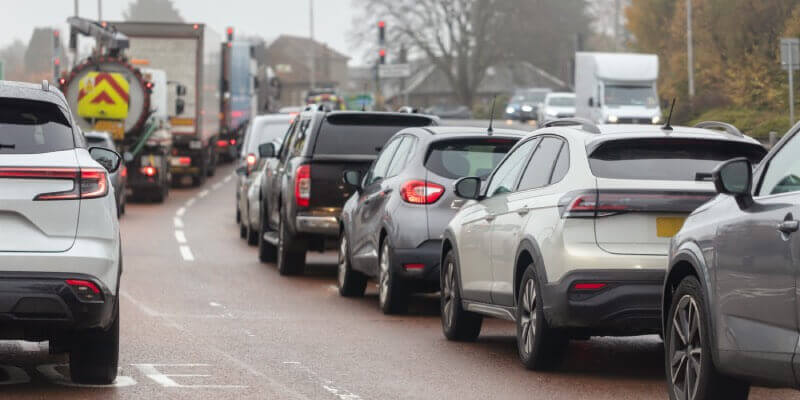
They’re there to stop traffic blocking junctions and help everything move more smoothly, particularly in busy areas. Getting your head around how they work early on makes driving in traffic less stressful and helps you avoid unnecessary mistakes.
Everything you need to know about yellow box junctions
Learning how yellow box junctions work is an important part of becoming a confident and safe driver. They appear across many busy areas across the UK and often cause confusion for both learners and experienced drivers.
Here’s what we’ll cover in this guide:
- What is a yellow box junction?
- Do all yellow box junctions have cameras?
- How much is a yellow box junction fine?
- Yellow box junction rules
- When can you enter a yellow box junction?
- When can you wait in a yellow box junction?
- Common mistakes at yellow box junctions
- Tips for learner drivers at yellow box junctions

What is a yellow box junction?
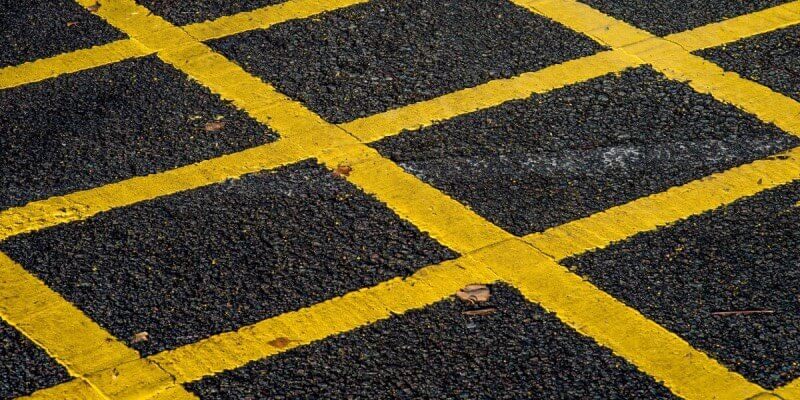
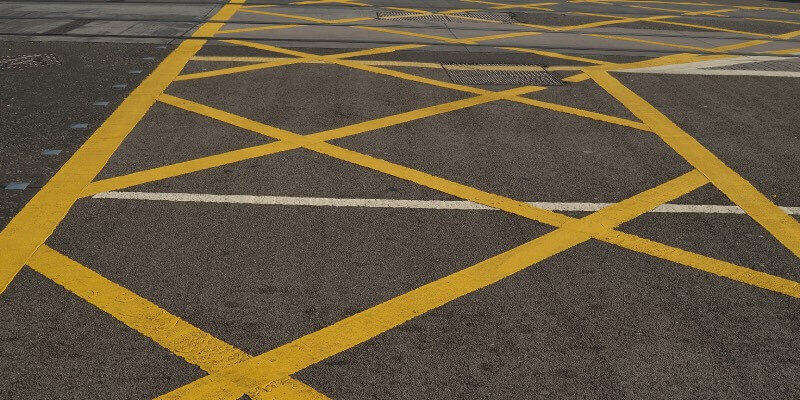
So, what is a yellow box junction? You’ve likely seen these crisscrossed yellow lines painted on busy roads, especially at intersections where traffic builds up. Their aim is straightforward: to prevent vehicles from obstructing the junction and causing congestion.
For learner drivers taking driving lessons in Milton Keynes, these junctions can feel like a bit of a challenge at first. You’re expected to think ahead, judge gaps accurately, and make decisions without hesitation. It’s not just about what’s happening directly in front of you, but also what’s happening further up the road.
Rule 174 of the Highway Code is clear on this point: you shouldn’t enter the box unless your exit road is free. On paper, that seems simple enough, but in real traffic, it doesn’t always play out so neatly. Traffic can slow without warning, drivers can hesitate, and a gap that looked safe a second ago can close up quickly.
That’s why it helps to slow your thinking down slightly before you commit. Instead of reacting instantly, take a brief moment to scan what’s happening ahead and make a proper judgement. It’s often those extra couple of seconds that stop you from getting caught out.
Before you move forward, it’s worth asking yourself:
- Is there enough space for my car on the other side?
- Is traffic still moving, or is it slowing down?
- Am I likely to get stuck if something changes?
Getting comfortable with these questions will help you make better decisions and feel more confident over time.

Do all yellow box junctions have cameras?
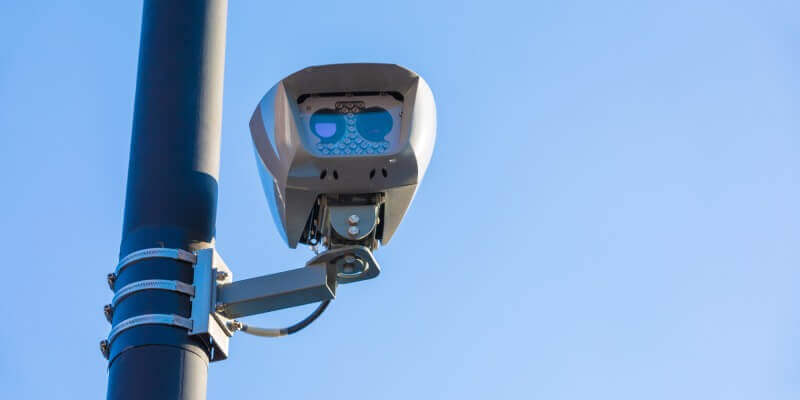
Not every yellow box junction is monitored, but usually, in busy areas, they are. In cities and large towns, it’s quite common to find cameras installed to catch drivers who stop in the box when they shouldn’t. Some junctions also work alongside a traffic light system , which can make the situation feel more intense for learners.
Even if there’s a camera there, it shouldn’t really change how you approach it. People sometimes end up thinking about fines first, but that’s not really how good driving works in practice. It’s more about being switched on to what’s happening around you and making the same sort of judgement each time you come up to a junction like that.
After a while, it stops feeling like a set of rules you’re ticking off. You just start dealing with it in a more natural way, without really thinking it through in steps.
When you’re learning with our driving school in Milton Keynes, your instructor will often talk you through the different types of junctions you come across and how enforcement can vary. That real-world experience is useful because it connects the rules to what you’re actually seeing on the road, rather than just memorising them from a book or app.
Even when there’s no obvious enforcement, blocking a junction can create problems for other drivers, cyclists, and pedestrians. Keeping the box clear helps everyone move more smoothly, which is exactly what these markings are designed for.
How much is a yellow box junction fine?
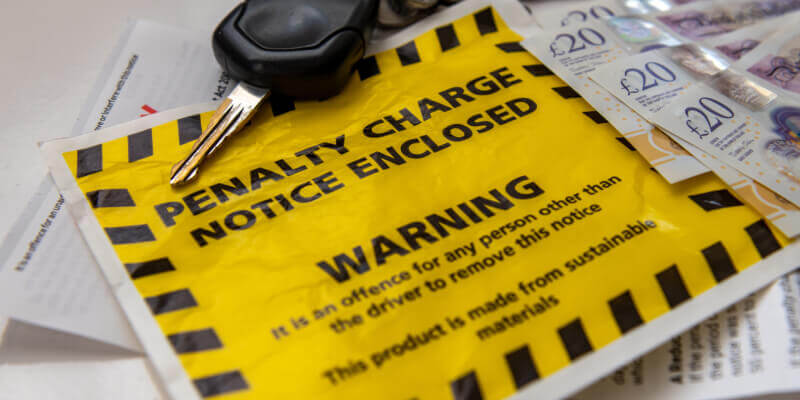
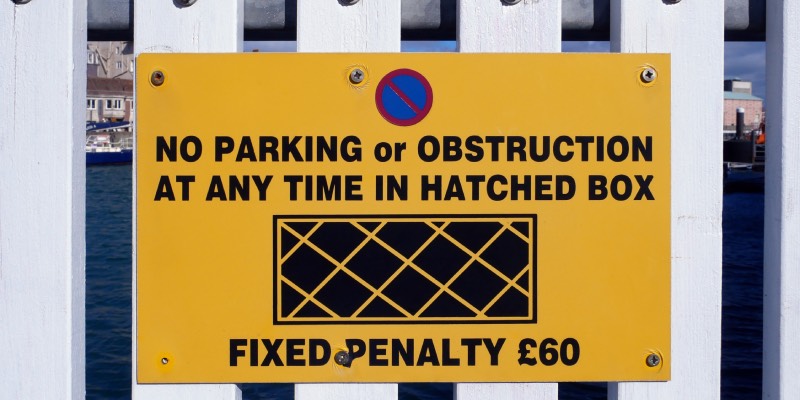
If you do get caught stopping in a yellow box junction when you shouldn’t, you could be issued a Penalty Charge Notice (PCN). This is typically around £100, although it’s often reduced if paid within a set period.
While the financial cost is one thing, the situation itself is usually avoidable. Most drivers who receive a fine didn’t intentionally break the rules. It often comes down to misjudging space or to reacting too quickly to traffic ahead.
This is why patience is crucial. It might seem as if you’re delaying other drivers by waiting, but in reality, you’re making a safer choice. During driving lessons in Milton Keynes, instructors often urge learners to take an extra moment to assess the road ahead before entering a junction.
Over time, you’ll develop a better sense of timing, making these situations much easier to handle.
Yellow box junction rules
The yellow box junction rules are there to prevent unnecessary delays and keep traffic flowing efficiently. They’re not overly complicated, but they do rely on you paying attention and thinking ahead.
The key points to remember are:
- Do not enter the yellow box unless your exit is clear.
- You may enter if you are turning right and you’re only stopped by oncoming traffic.
- Avoid stopping in the box unless it’s for that specific right-turn situation.
These rules are applied consistently across the UK, so once you understand them, you can use them anywhere.
It’s also worth remembering that these junctions are often placed in high-traffic areas, which means there’s usually more going on around you. Staying calm and focused is essential. The more you practise, the more natural it will feel to judge whether it’s safe to proceed or better to wait.
When can you enter a yellow box junction?
So, when can you enter a yellow box junction? The answer comes down to confidence in your decision-making. You should only move into the box when you’re sure that you can exit it without stopping.
This requires you to look beyond the car in front of you. It’s easy to assume that if they’re moving, you can follow, but that’s not always the case. Traffic can stop suddenly, leaving you stuck in the box.
A steady approach works best. Slow down slightly as you approach, take in the full picture of the road ahead, and only commit when you’re confident there’s enough space. This kind of controlled driving comes naturally with experience.
Many learners find that once they stop rushing these decisions, they feel much more in control and less anxious at busy junctions.
When can you wait in a yellow box junction?
When can you wait in a yellow box junction? This is one of the most common questions learners have, and the rule is quite specific.
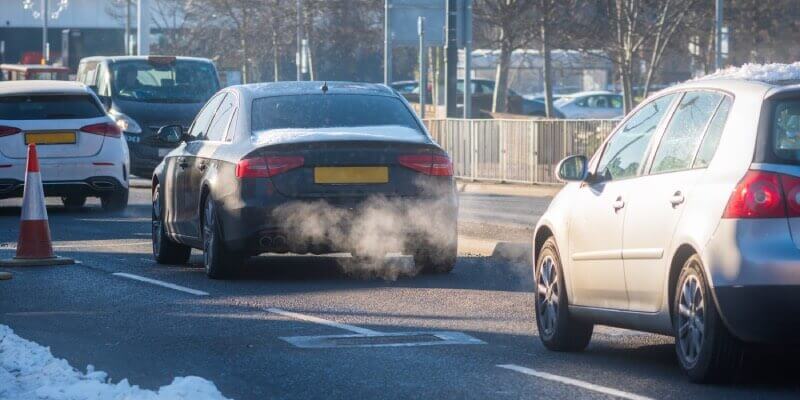
You are allowed to stop in the box if you are turning right and are prevented from completing your turn by oncoming traffic or other vehicles waiting to turn. In this case, waiting at the junction is expected and completely acceptable.
In any other situation, stopping in the box is not allowed. This includes situations where traffic ahead suddenly slows or where you misjudge the available space.
Understanding this distinction is important because it helps you make clearer decisions. Instead of second-guessing yourself, you’ll know exactly when it’s okay to proceed and when it’s better to hold back.
Common mistakes at yellow box junctions
When you’re learning to drive, mistakes are part of the process. Yellow box junctions are no exception, and many learners experience similar challenges when they first encounter them.
Some of the most common issues include:
- Following the car in front without checking the space ahead.
- Entering the junction too quickly without proper observation.
- Feeling pressured by drivers behind and rushing decisions.
- Hesitating too long and missing a safe opportunity to go.
The important thing is to learn from these experiences. Each time you approach a junction, you’ll get a little better at judging what to do.
Your instructor will also guide you through these situations, helping you understand what went wrong and how to improve next time. With practice, these mistakes become far less frequent.

Tips for learner drivers at yellow box junctions
Yellow box junctions can feel a bit much when you’re still building confidence, especially in busy areas where traffic doesn’t always behave predictably. You’ve got to take in what’s happening ahead, judge your timing, and decide whether it’s actually safe to go for it — all in a fairly short space of time, which is why people often hesitate at first.
The key is to approach them with a clear plan rather than reacting at the last moment. The more you practise, the more you’ll start to recognise patterns in traffic and feel comfortable making decisions.
Here are some practical tips to help you along the way:
- Always check that your exit is completely clear before entering.
- Take your time and don’t let other drivers rush you.
- Look further ahead than just the car in front.
- Practise regularly in different traffic conditions.
- Stay aware of road markings and traffic light signals.
These tips are simple, but they’re effective. By focusing on them during your lessons, you’ll gradually build the confidence needed to handle even the busiest junctions.
Building confidence at busy junctions
Becoming confident with yellow box junctions is a key step in your driving journey. At first, they might seem daunting, but they’re really about awareness and good judgement rather than speed or quick reactions.
Whether you’re just starting out or getting close to your test, regular practice will make all the difference. Many learners taking lessons find that once they’ve experienced a range of junctions, their confidence improves quickly.
The goal is to stay calm, think ahead, and make decisions that keep traffic moving safely. Over time, what once felt challenging will become just another normal part of driving.