
When getting ready for your practical test, many learners look up driving test manoeuvres to find out what might happen on the day. It's normal to wonder what will be expected, how hard it could be, and if small mistakes will matter.
These manoeuvres are not meant to make things harder. They help the examiner see how you deal with everyday driving situations and show that you can stay in control and make safe decisions.
Knowing what to expect can help calm your nerves and make the test feel easier. The sections below explain everything step by step so you can feel more confident on test day.
Everything you need to know about driving test manoeuvres
The manoeuvres in the driving test are based on things you’ll do in everyday driving, like parking, reversing, and positioning your car. Below, we’ll go over each manoeuvre and what the examiner wants to see.
- How many manoeuvres are in a driving test?
- What are the UK driving test manoeuvres?
- Can you fail a driving test on a manoeuvre?
- Getting confident before your test
- When you’ll actually use these manoeuvres after you pass
How many manoeuvres are in a driving test?
You only have to do one manoeuvre in your practical test.
This means you can focus your practice, rather than worrying about which manoeuvre you might get.
Examiners mainly want to see that you can drive safely in different situations. They look for things like:
- Safe control of the vehicle: Steer smoothly, choose a safe speed, use the right gear, and keep control of your car in traffic.
- Awareness of surroundings: Check your mirrors often, spot hazards early, and watch out for pedestrians, cyclists, and other vehicles.
- Road discipline: Stay in the correct lane, leave enough space behind other cars, and approach junctions and roundabouts safely.
- Response to instructions and road systems: Follow traffic signs, keep to speed limits, and stay within the lane markings as you drive.
- Basic vehicle safety checks: Before you start, the examiner will ask you a 'tell me' question. While driving, you’ll be asked to do a 'show me' task.
These areas help the examiner decide if you’re ready to drive by yourself. Although many learners focus on manoeuvres, they are only a small part of the test.
If you’re taking regular driving lessons in Milton Keynes with us, you’ve likely practised these situations many times. Instructors include them in everyday driving so they feel familiar, not intimidating.
By the time your test arrives, the manoeuvre should feel like something you’ve done plenty of times, even if you feel a little nervous.
What are the UK driving test manoeuvres?
During your driving test, you may be asked to complete one of the following manoeuvres:
Parallel parking
Many learners feel least confident about parallel parking at first, but it usually gets much easier with practice.
You’ll usually be asked to stop next to a parked car and then reverse into the space behind it. The examiner will watch how you use the clutch, steer, and stay aware of what’s around you.
To complete the manoeuvre safely, you will need to:
- Check all mirrors and blind spots before and during reversing.
- Move slowly and maintain full control of the clutch and steering.
- Continuously observe pedestrians, cyclists, and surrounding traffic.
A lot of learners find this manoeuvre tricky at first, but making small mistakes is normal and you’ll improve with practice.
Bay parking
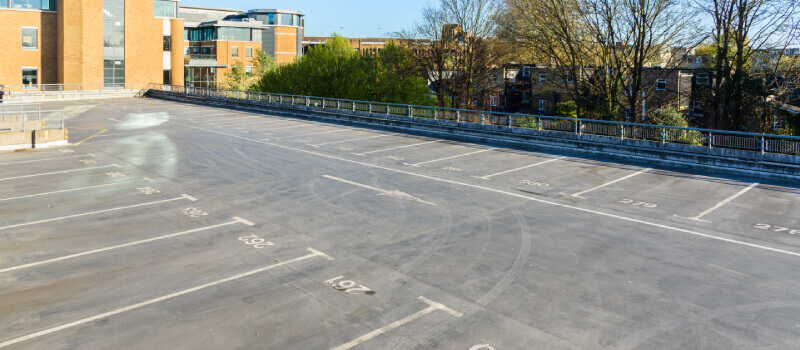
For this manoeuvre, you might drive forward into a marked bay and reverse out, or reverse in and drive out forwards. It’s usually done in a car park or at the test centre.
The examiner will be looking for:
- Proper use of mirrors.
- Awareness of pedestrians and other vehicles.
- Accurate positioning within the bay.
- Controlled, steady speed.
If you need to adjust, that’s fine as long as you do it safely and stay aware.
Pulling up on the right
For this task, you’ll stop on the right side of the road, reverse about two car lengths, and then join the traffic again safely.
This can feel odd at first because most driving is on the left, but it gets easier if you remember to:
- Check mirrors carefully.
- Look over both shoulders.
- Stay alert for pedestrians and cyclists.
- Signal before moving off.
With practice, this manoeuvre is much easier than it first seems.
Many learners find it helpful to think through each step before trying it in real traffic.
Can you fail a driving test on a manoeuvre?
The answer is yes, but only if it causes a safety risk.
Small mistakes or minor corrections usually aren’t a problem. Examiners want to see safe, controlled driving, not perfection.
A manoeuvre may result in a fail if it leads to unsafe situations such as:
- Missing important observations: For example, reversing without checking properly and failing to notice a pedestrian behind the vehicle.
- Causing other road users to react: If another driver has to brake sharply or take avoiding action due to your manoeuvre, it may be marked as serious.
- Poor vehicle control: For example, mounting a kerb at speed or losing control while parking.
- Creating danger: For example, reversing out of a space without proper checks and forcing a cyclist or vehicle to stop suddenly.
Examiners look at your overall safety and decisions, not perfection. As long as you react properly and stay in control, small mistakes probably won’t cause you to fail.
You’ll usually practise these situations during your lessons. At our driving school in Milton Keynes , we make sure you know exactly what to expect for your test.
Getting confident before your test
It’s important to understand the manoeuvres, but it’s just as important to feel confident doing them when you’re under pressure.
Here are some practical ways to prepare:
- Practise in different environments: Start in quiet areas, and gradually move to busier roads when you feel ready.
- Take your time: Rushing often leads to mistakes, so steady control matters more.
- Be clear in your observations: Make mirror and shoulder checks obvious so the examiner can see your awareness.
- Use mock tests effectively: During your driving lessons in Milton Keynes , treat mock tests seriously so you’re fully prepared for the real exam.
With regular practice, these techniques will start to feel natural. The goal is to build habits that help you stay prepared and calm on test day.
When you’ll actually use these manoeuvres after you pass
After you pass your driving test, manoeuvres like bay parking, parallel parking, and pulling up on the right don’t go away. They soon become part of your everyday driving.
You’ll regularly find yourself using them in real-world situations such as:
- Supermarket and retail car parks: Bay parking is the most common when spaces are clearly marked, and you want to leave room to open doors safely.
- Town centres and residential streets: Parallel parking is often needed where space is limited and standard parking bays aren’t available.
- Picking up or dropping off passengers: Pulling up on the right or repositioning the car safely may be required when the left side of the road is blocked or unsuitable.
- Busy or unfamiliar areas: Being able to manoeuvre confidently helps when you need to turn around, adjust position, or fit into tighter spaces.
In real driving, you rarely have to do these skills under pressure. You just use the same steps you learned in your lessons. Good observation, steady control, and patience are more important than speed, and the more you drive, the more natural these manoeuvres will feel.
What to remember about driving test manoeuvres
The most common driving test manoeuvres are bay parking, parallel parking, and pulling up on the right, and you’ll only be asked to do one of them.
The main thing to remember is that manoeuvres aren’t meant to catch you out. They just help examiners see that you can control the car safely and make good decisions.
You don’t need to be perfect or fast. Staying calm, following the steps you’ve practised, and being aware of your surroundings is what really matters.
With regular practice and feedback from your Drive 321 instructor, these manoeuvres will start to feel natural. By the time your test comes, you should feel ready for whichever one you get.