

Learning to drive is an exciting milestone, especially when you’re in your late teens or early twenties and finally gaining independence on the road. But once you start looking at insurance, reality tends to kick in quickly. Insurance for new drivers can feel surprisingly high, and learners are often left wondering how to lower car insurance without cutting corners or compromising on cover.
Fortunately, there are practical, legal ways to reduce premiums. Insurers consider factors such as your age, experience, car type, location, and driving habits after you pass your test.

How to lower car insurance with simple cost-saving tips
In this guide, we’ll break everything down simply so you can understand exactly what affects your price and what you can do to reduce it. Whether you’re taking driving lessons in Luton or you’ve already passed your test, this article will help you make smarter decisions that could save you hundreds (sometimes even thousands) of pounds a year.
We’ll answer the most important questions for new drivers: what affects your premium, which cars are cheapest to insure, and which early choices make a big difference in your costs.
Here are the key areas we’ll cover:
- How much is car insurance for a new driver?
- Top cheap cars to insure for new drivers
- Ways to lower car insurance for new drivers
- Understanding what affects your insurance price
- Learning to drive and building confidence on the road
How much is car insurance for a new driver?
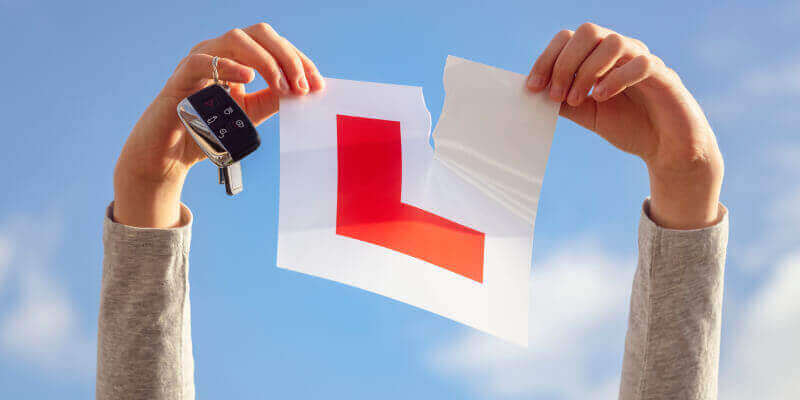
One of the first questions most learners ask is: How much is car insurance for a new driver?
The honest answer is that it varies a lot, but for most new drivers in the UK, especially those aged 17–25, insurance can often range from around £1,200 to well over £3,000 per year. In some cases, particularly for high-risk cars or urban postcodes, it can even be higher.
- Younger drivers typically pay the highest premiums.
- Premiums for new drivers are based on risk and inexperience.
- Location and car type significantly affect pricing.
That might sound shocking at first, but insurers base this pricing on statistics. Simply put, new drivers are more likely to be involved in accidents because they lack experience. Age also plays a big role, with younger drivers typically paying the most.
However, it’s not all bad news. There are practical ways to reduce these costs, and taking the right steps early on can make a noticeable difference in what you pay.
Your choice of car plays a major role in the price you pay for insurance. Smaller engines, lower insurance groups, and vehicles known for safety are usually more affordable to insure.
Location is just as important. Urban areas often have higher premiums due to higher traffic and increased accident risk, whereas suburban or rural areas can sometimes have lower costs.
Even things like whether you park your car on a driveway or on the street overnight can influence your price.

Top cheap cars to insure for new drivers
When it comes to lowering insurance costs, your car choice is one of the biggest factors you can control. This is why it’s so important to consider which cars are best for new drivers before committing to your first vehicle.
Small cars with smaller engines are usually the cheapest to insure because they are considered lower risk. They’re also typically cheaper to repair, which further reduces insurance costs.
- Small engine size usually means lower premiums.
- Lower insurance group cars are more affordable.
- Safer, simpler vehicles reduce insurer risk.
When choosing cars for new drivers, look not just at insurance costs, but also at reliability, fuel economy, and safety ratings. Sometimes, a car that costs more upfront can be cheaper overall if its insurance rates are lower.
Many learners don’t really think about insurance until after they’ve passed, but it’s worth getting ahead of it. If you’re still taking lessons, it can help to start looking into your options early so you’re ready when the time comes.
New drivers often choose small hatchbacks or city cars. These offer efficiency and safety over speed, and tend to be the best value for first-time drivers. Some examples of the top choices are:
- Hyundai i10
- Kia Picanto
- Volkswagen Up!
- Toyota Aygo X
- Skoda Fabia
- Fiat 500
- Dacia Sandero
- Renault Clio

Ways to lower car insurance for new drivers
After you learn how pricing works, you can look into other ways to lower your insurance costs.
Telematics insurance (black box policies)
A popular option is telematics insurance, also called a black box policy. This involves fitting a small device in your car or using a phone app to track your driving. If you drive safely, follow speed limits, and avoid harsh braking, your insurer may lower your premiums over time.
- Black box policies reward safe driving.
- Driving behaviour is monitored.
- Good driving can reduce costs over time.
Voluntary excess
You can also increase your voluntary excess. This means you agree to pay more if you make a claim, which can lower your monthly or yearly premium. Just make sure the excess is still affordable if you need to claim.
No-claims bonus
Building a no-claims bonus is a strong long-term strategy. Each year you drive without making a claim, your insurer usually gives you a discount when you renew.
Parking arrangements
Where you park your car matters more than many new drivers think. Keeping your car on a driveway or in a secure garage lowers the risk for insurers and can reduce your premium.
Modifications
It’s also important to think about modifications. Even small changes, such as alloy wheels or tinted windows, can raise your premium. For new drivers, it’s usually best to avoid extras like these to keep costs lower.
Theft risk and vehicle choice
Insurers also consider theft risk. Cars that are likely to be stolen usually have higher premiums, so picking a model with good security features can help lower your costs.
Optional extras and add-ons
Review each add-on before buying. Only pick extras, such as breakdown cover, if you really need them. This will help keep your policy affordable.

Understanding what affects your insurance price
If you want to manage your insurance costs, it’s useful to know what insurers look at when setting your premium. They base their decisions on risk, statistics, and the chances that you might make a claim.
- Age and experience: If you’re under 25, your insurance will likely cost more because younger drivers are more often involved in accidents. That’s why premiums are higher when you first start driving.
- Driving history: Getting lots of supervised practice helps you build good habits, which can lower your chances of risky driving when you’re on your own.
- Vehicle choice: The type of car you drive matters a lot. Things like engine size, power, safety rating, and insurance group all play a part in what you pay.
- Location: Where you live and where you park your car at night can affect your costs. If you’re in a busy or high-crime area, your premium will probably be higher. Your job can also play a role, as insurers use general data to assess the level of risk linked to different types of employment.
Knowing about these factors helps you understand why your insurance costs what it does. It also shows you where you might be able to make changes to lower your premium in the future.

Learning to drive and building confidence on the road
Feeling confident is important for passing your driving test and keeping your insurance costs lower later on. If you’re nervous behind the wheel, you might make more mistakes, so getting experience early really helps.
Building good driving habits early
Many learners find that lessons with Drive 321 Luton help them develop safe habits from the very beginning. Some prefer intensive courses, while others take lessons over a longer period. No matter the approach, staying consistent is what counts.
Over time, regular practice helps things feel more natural behind the wheel, and structured lessons reinforce safer habits without you really having to think about it. Familiar routes also play a part, as repeating them often makes driving feel less overwhelming when you’re on your own.
- Practising often makes you feel more at ease when driving.
- Taking lessons with a plan helps you build safer driving habits.
- Driving on roads you know well can help reduce stress once you’ve passed your test.
Local driving experience
For example, learners who take driving lessons in Luton with us get to know the local roads, roundabouts, and traffic. This makes it less stressful when they start driving on their own.
Adjusting after your test
It’s normal to feel a little overwhelmed after you pass your test. Taking it slow helps—start with routes you know, try to avoid busy times, and work up to longer trips as you get more comfortable.
It’s important to get familiar with your own car for safe driving. Understanding how it reacts, brakes, and handles in different weather can make a big difference when you’re out on the road.
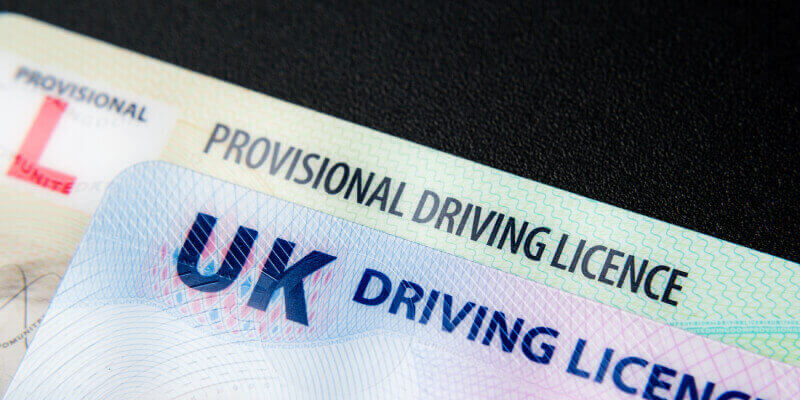
After you pass, find out what you need to do next, such as whether you need to apply for your driving licence. The process is usually straightforward, and being ready can help you avoid delays with your insurance and getting on the road.
Extra support after passing
Some learners choose to take a few extra lessons with instructors after passing, especially if they don’t feel ready to drive alone right away. Our driving school in Luton can help you experience different roads and conditions so you can feel more confident driving on your own.
Final thoughts on getting cheaper cover as a new driver
To get cheaper cover, focus on smart choices: the car you pick, your driving habits, and your policy details all matter. Each decision can save you money.
Many learners focus entirely on passing their test, which is obviously the main goal, but thinking ahead about insurance can save you a lot of money and stress later on. Even if you’re still learning, it’s worth considering how your choices today will affect your costs tomorrow.
Simple actions like choosing a lower insurance group car, avoiding modifications, or opting for a telematics policy can make a noticeable difference. Over time, building up a clean driving record will have an even bigger impact.
The key is to be patient and consistent. Insurance costs naturally decrease as you gain experience, so your first year is often the most expensive. After that, things usually start to improve if you drive safely and responsibly.
By combining smart decisions with safe driving habits, you’ll put yourself in a much stronger position to reduce costs and enjoy the freedom of the road without unnecessary financial pressure.